Modern Twists for the Jamaican Food Centennial Table
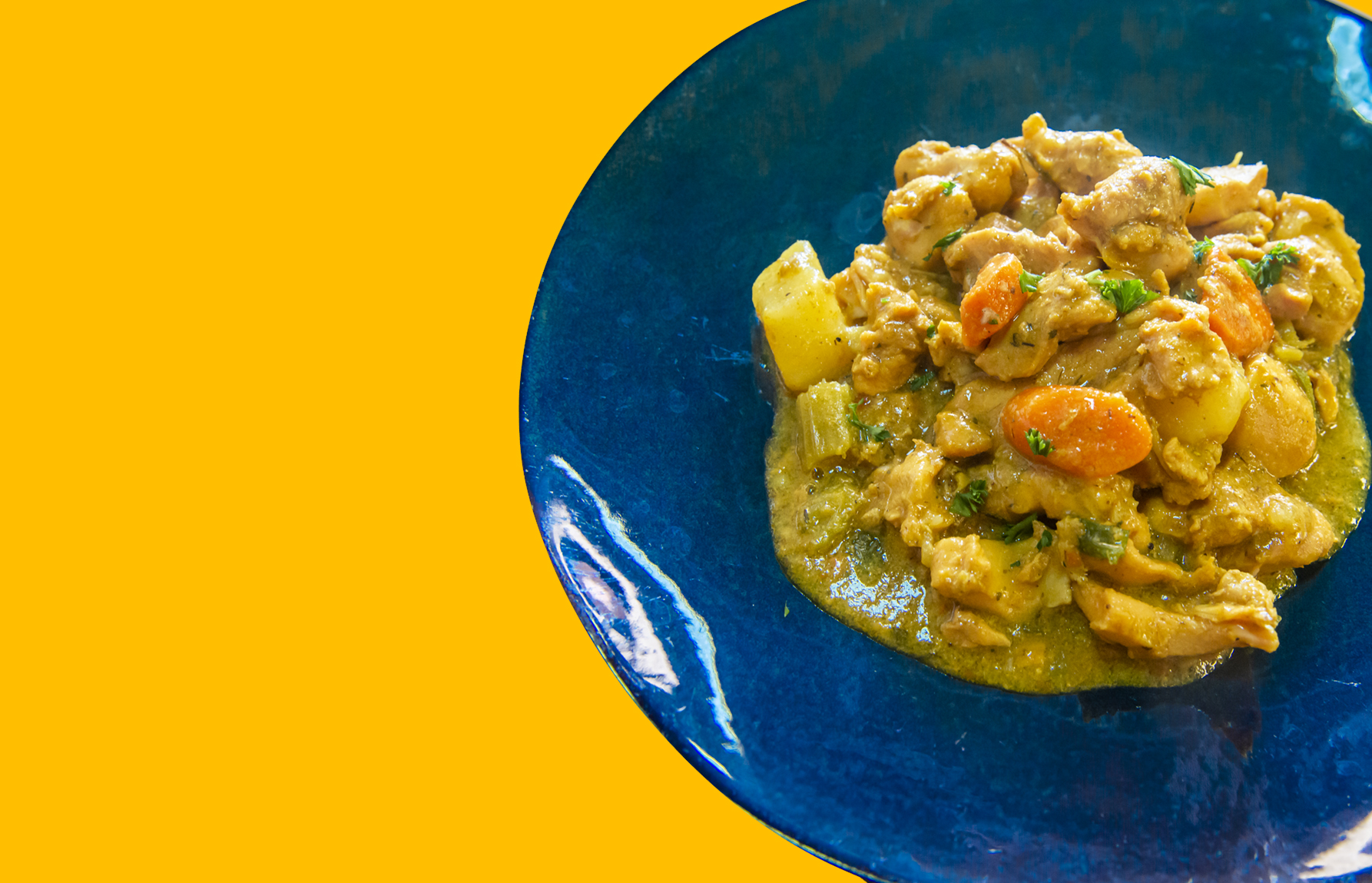
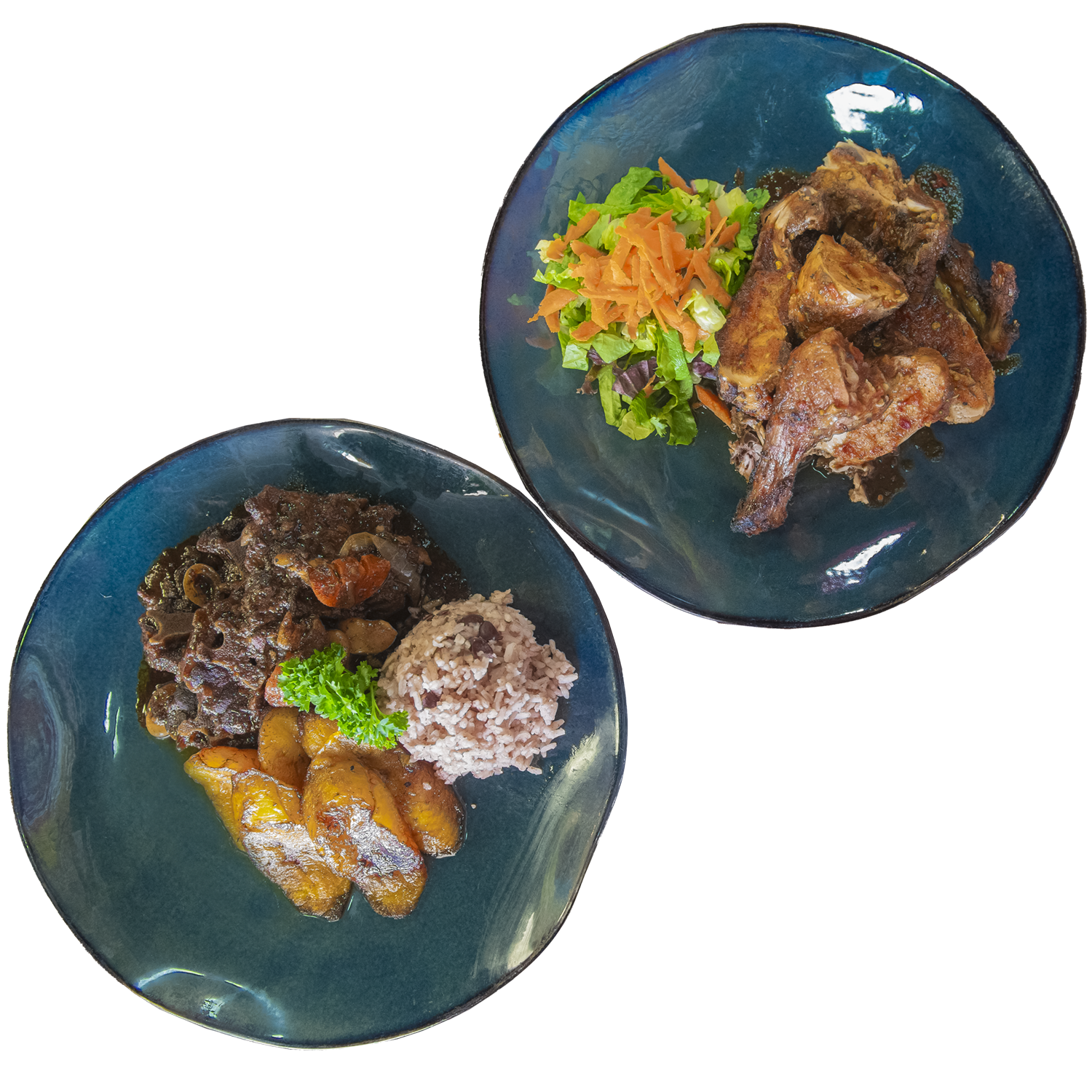
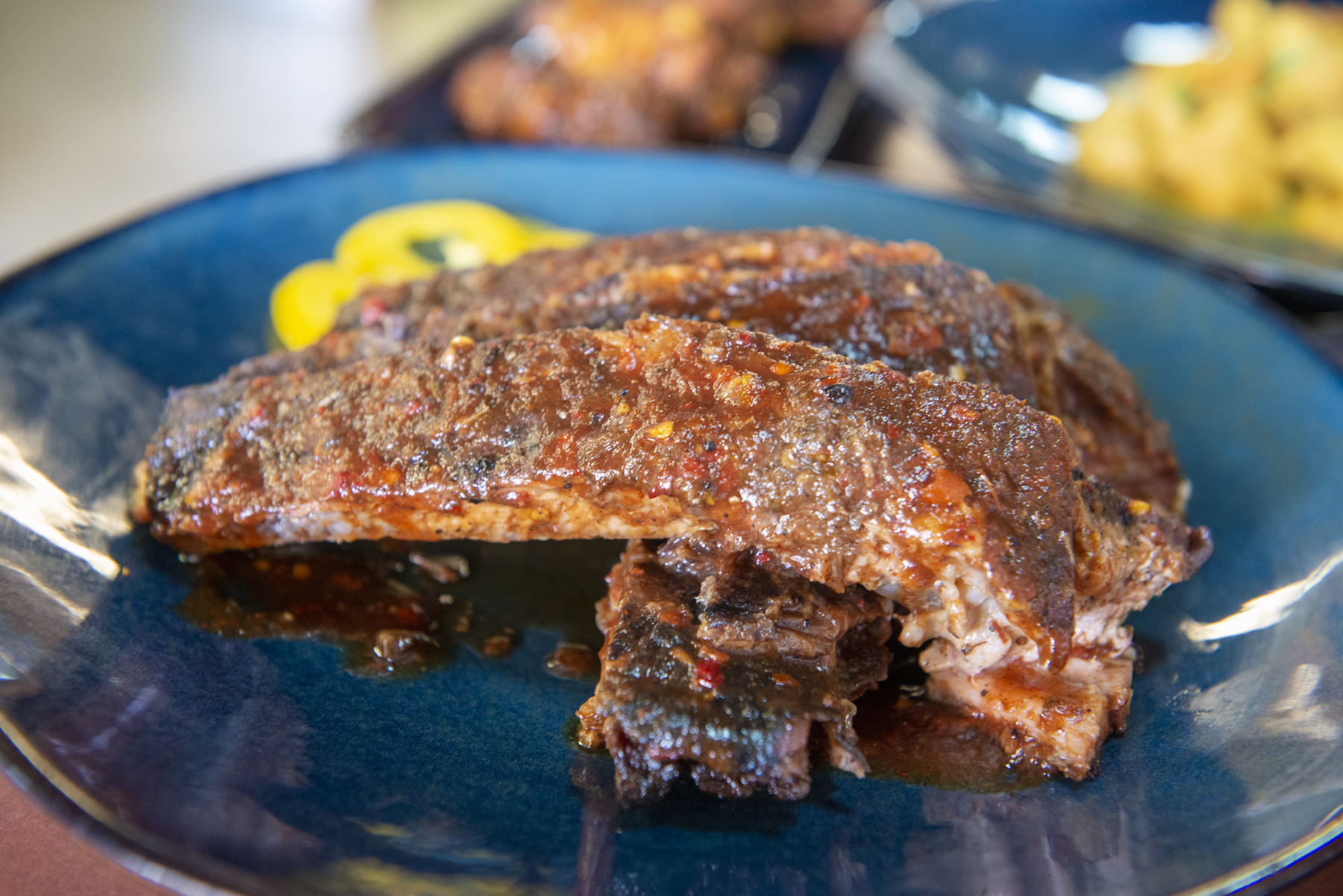
A centennial table carries weight. It marks one hundred years of memory, migration, family recipes, and the stubborn pleasure of feeding people properly. When that table is rooted in Jamaican cooking, the responsibility grows. This is food with deep emotional muscle. It is festive and everyday at once. It holds labor, improvisation, thrift, abundance, and pride.
That is why a modern approach to a Jamaican food centennial celebration needs restraint as much as imagination. The best updates do not flatten the food into trend-driven small plates or turn beloved dishes into precious little sculptures. They keep the soul of the meal intact. They respect seasoning, texture, color, and the social nature of Jamaican dining, where one platter can command a room and one pot can bring people back for seconds before the first round has even finished.
I have found that the strongest centennial menus work when they answer a simple question: what deserves to stay exactly as it is, and where can a thoughtful twist actually make the table more alive? Sometimes the answer is in presentation. Sometimes it is in sourcing. Sometimes it is in adjusting richness, heat, sweetness, or portioning so that guests can experience more dishes without fatigue. The point is not reinvention for its own sake. The point is to make a heritage table feel current, generous, and worthy of the occasion.
What should never be modernized just for effect
Some dishes resist tampering, and they should. A good pot of rice and peas is not waiting to be deconstructed. Escovitch fish does not improve because someone serves it jamaican food centennial Reggae Pot Jamaican Grill on slate with microgreens. Festival should still taste of festival. A proper curry goat should still announce itself before the lid is fully off the pot.
At a jamaican food centennial table, a few anchors should remain recognizable at first glance. Guests need the emotional confidence of seeing food they know. That is especially true at milestone gatherings where older family members or longtime community members are present. Food becomes a form of recordkeeping. It tells people that their version of the story still counts.
What can shift is the framework around those anchors. Rice and peas can sit beside roasted breadfruit with cultured butter and scallion oil. Jerk pork can be served with grilled pineapple pickle rather than the usual sweeter accompaniment. Callaloo can move from side dish to elegant tart filling without losing its identity. The traditional core remains legible, but the experience broadens.
The biggest mistake I see is confusing “modern” with “lighter” or “minimal.” Jamaican food does not need to apologize for richness, smoke, spice, or gravy. If you want elegance, find it in control. Cleaner plating, sharper seasoning, better temperature management, and more deliberate pacing do more than stripping away what makes the food pleasurable.
The centennial table starts with balance, not novelty
Centennial menus often fail because they chase too many ideas at once. One table cannot carry every beloved dish from every parish, every diaspora adaptation, and every chef’s experiment. A memorable spread needs rhythm.
I think about it in terms of contrast. You want smoke against brightness, softness against crunch, slow-cooked depth against something fresh and immediate. Jamaican cooking already excels at this when allowed to speak plainly. Jerk has char and perfume. Escovitch has acid and fire. Bammy brings chew. Fried plantain offers sweetness and caramelization. Sorrel cuts through fat. Tamarind brings dark tartness. Coconut can comfort or sharpen, depending on how it is handled.
For a jamaican food centennial event, the modern twist is often less about changing recipes and more about sharpening those contrasts so guests can keep eating with interest across a longer meal. If the table leans too heavily into braises, starches, and fried items all at once, fatigue sets in quickly. If every dish is aggressively spicy, heat stops functioning as flavor and becomes noise.
A strong centennial spread should feel abundant, but not monotonous. That requires editing. One braise may be enough if there is also grilled fish, one fried item if there are crisp raw vegetables or pickled fruit elsewhere, one very sweet dessert if another finish is more restrained.
Rethinking the classics without losing the room
Jamaican food offers endless room for subtle reinterpretation because its flavor architecture is so clear. Scotch bonnet, allspice, thyme, pimento wood smoke, ginger, scallion, garlic, coconut, citrus, and vinegar all give you reliable pathways. The trick is to move with them, not against them.
Take jerk, for example. Traditional jerk deserves proper handling, especially if fire and smoke are involved. Yet for a centennial table, it can be useful to broaden the format. Jerk can move beyond large cuts and appear in carefully grilled mushrooms, roasted carrots, or even brushed over a whole snapper before finishing over coals. These are not substitutes for jerk chicken or jerk pork. They are companions that let the seasoning reach more of the table, including guests who eat less meat or none at all.
The same principle works with patties. A classic beef patty belongs at almost any Jamaican gathering, but a centennial table can justify a more expansive patty tray. Saltfish and callaloo, curried pumpkin, pepper shrimp, and even braised oxtail in miniature formats can sit beside the classic version. What matters is the crust. If the pastry is not flaky, tinted, and sturdy enough to hold hot filling without collapsing, the idea has failed before the first bite.
Soup is another area where modern handling pays off. Mannish water, red peas soup, or pumpkin soup can be served in smaller cups as an opening gesture, especially at a formal celebration where people may remain standing for a while. This gives guests a taste of tradition without slowing service with full bowls. The flavor must still be honest. A demitasse of weak soup is worse than no soup at all.
Freshness is the smartest modern luxury
One of the clearest ways to update a heritage spread is to invest more heavily in freshness. Not flashy ingredients, just vivid ones. Better herbs. Better produce. Better timing.
I have seen a centennial buffet transformed by a single well-made salad built around ingredients already familiar to Jamaican kitchens: watercress, cucumber, avocado, cho cho, orange segments, and a tart cane vinegar dressing with a touch of honey and bonnet. It did not replace the heartier dishes. It refreshed the palate between them. Guests who thought they only wanted the meat dishes kept returning to it because it made the rest of the meal easier to enjoy.
That same logic applies to condiments. Instead of relying solely on bottled pepper sauce or a generic slaw, consider house pickles and relishes with sharper personality. Pineapple chow with enough acid to wake up jerk. Charred tomato and bonnet relish for fried fish. Pickled June plum where available. A restrained mango kuchela. These are small interventions, but they lift the whole table.
Freshness is also about timing. Fried elements should arrive fried, not steam themselves into softness under foil. Herbs should be added late enough to stay fragrant. Coconut milk sauces should be held carefully so they remain silky rather than greasy. Rice should be fluffed, not packed down and left to harden around the edges. Professional polish often comes down to these details rather than the headline dish.
Smart updates for the savory spread
When planning a large celebratory menu, I use a few practical filters before approving a “twist.” They keep the food from drifting into gimmick territory.
- Does the dish still taste unmistakably Jamaican?
- Will the update improve texture, service, or balance?
- Can it hold quality for the length of the event?
- Will older and younger guests both recognize what they are eating?
- Is the twist adding pleasure, or only adding explanation?
If you have to stand beside a dish and explain it at length, it probably does not belong on the main table.
That said, there are several modern directions that usually succeed. A whole roasted fish with escovitch vegetables served separately keeps skin crisper than the fully dressed version that sits too long. Slow-braised oxtail can be offered in smaller portions over butter bean puree or cassava mash if you want guests to sample rather than commit to a heavy serving. Curried chickpeas with roasted pumpkin can sit comfortably near curry goat without pretending to be a replacement. Peppered prawns, quickly sauteed and finished with lime, make an elegant bridge between street food flavor and formal dining.
For starches, I prefer offering one classic and one slight departure. Rice and peas is often non-negotiable, and rightly so. Pair it with something like roasted sweet potato rounds brushed with scallion butter, or with coconut cassava gratin that nods to pudding textures without crossing fully into dessert territory. Bammy can be cut into smaller triangles and griddled to order with a touch of clarified butter, which helps it read as celebratory rather than merely functional.
Breadfruit deserves special mention because it adapts beautifully to modern service. Roasted wedges with smoked salt hold better than delicate purees. Breadfruit chips with whipped saltfish spread are excellent for a reception hour. Even a breadfruit and callaloo bake can work if the top is crisp and the seasoning confident. The ingredient is humble, but on jamaican food centennial a centennial table, handled well, it can feel almost regal.
The color of the table matters more than many hosts realize
Jamaican food is visual long before it reaches the mouth. Golden patties, dark gravies, lacquered jerk, bright escovitch vegetables, green callaloo, deep red sorrel, black cake glazed to a near shine. A centennial table should honor that abundance.
Modern styling should support color, not neutralize it. White platters, warm wood, enamelware, woven textures, brass accents, banana leaves, and stoneware all work because they frame the food without stealing attention. Tiny black plates often make a buffet look severe and cramped. Overly rustic service can also backfire if the event is formal. The ideal look is composed and welcoming.
I also encourage hosts to vary vessel height, but not excessively. A little rise creates movement. Too much turns dinner into obstacle navigation. Large communal platters remain effective because Jamaican food is social food. Guests relax when they see generosity presented openly. Individual plated portions can be beautiful, but they can also remove the warmth that makes a centennial meal feel lived in.
Lighting deserves its own caution. If the event is indoors and evening-based, make sure the table is bright enough to show the food honestly. Rich brown stew and dark gravies can look muddy under poor amber lighting. A dish that took hours to season and simmer should not disappear visually.
Drinks that pull the meal together
Beverages are often treated as an afterthought at heritage celebrations, which is a missed opportunity. Drinks can handle transitions that food alone cannot. They cool heat, reset sweetness, and create pacing.
For a jamaican food centennial spread, I like a mix of the familiar and the polished. Sorrel remains essential, but it can be served two ways, one traditional and one sparkling with a drier finish. Ginger beer should bite. It should not taste like soft drink. Fresh juices such as carrot, soursop, and pineapple can feel luxurious when served cold in proper glassware rather than crowded dispensers.
Rum, of course, has a role, but not every centennial table needs a heavy cocktail program. Sometimes a simple highball with rum, lime, bitters, and soda serves the meal better than sweet, elaborate drinks. If there is a punch, keep the sugar in check. The food already carries richness and intensity. Drinks should support appetite, not bury it.
Coffee service at the end can be excellent, especially with desserts that lean dense and spiced. A small pour of aged rum or rum cream alongside coffee gives guests a graceful landing.
Desserts that honor memory without feeling predictable
Jamaican desserts tend to carry comfort and nostalgia in concentrated form. Black cake, gizzada, toto, grater cake, cornmeal pudding, sweet potato pudding, coconut drops, duckunoo. These are powerful sweets, and on a centennial table they should not be handled timidly.
The modern move is usually in portioning and pairing. Instead of one large slab of pudding or giant slices of cake, offer smaller servings that let guests taste more than one item. A neatly cut square of black cake with a spoon of barely sweetened crème fraîche can be superb because it tempers the density without interfering with the fruit and rum. Mini coconut tarts with a touch of sea salt sharpen the coconut rather than making it cloying. Sweet potato pudding with ginger ice cream can work beautifully if the ice cream is restrained and not overloaded with novelty spices.
I am cautious with heavily remixed dessert formats. Black cake macarons, rum raisin espuma, or deconstructed gizzada rarely carry the emotional force of the originals. If you want one refined dessert on the table, make it a clear descendant of something people love. A warm spiced cassava cake with roasted pineapple and sorrel reduction still feels connected. A dessert that merely borrows allspice and rum while abandoning Jamaican structure does not.
A centennial celebration also benefits from one dessert that reads instantly across generations. Children should want it. Elders should recognize it. Adults should come back for “just a small piece” and then take a larger one. Black cake often fills that role, but a beautifully made coconut pudding or grater cake can do it just as well.
A sample centennial menu with modern judgment
The easiest way to understand these ideas is to see how they might share a table without competing.
- Jerk chicken and jerk-roasted oyster mushrooms, served with grilled pineapple pickle
- Whole snapper with escovitch vegetables on the side, to preserve crisp skin
- Rice and peas, plus roasted breadfruit wedges with scallion butter
- Callaloo tartlets and a cucumber, avocado, and citrus salad for freshness
- Black cake, mini gizzadas, sorrel, ginger beer, and Jamaican coffee to finish
This kind of menu works because it keeps the center of gravity where it should be. The classics still lead. The twists are practical, not theatrical. Guests get smoke, acid, softness, crunch, richness, and relief. Most important, no dish demands a speech before it can be enjoyed.
Serving style can make or break the food
Even the best menu will suffer if served poorly. Jamaican food is especially sensitive to holding conditions because so much of its pleasure comes from contrast. Crisp versus soft. Moist versus charred. Hot gravy against cool garnish. Pickle against fat.
Buffet service suits large centennial gatherings, but it needs discipline. Chafing dishes can be merciless to fried items and delicate fish. If the budget allows, split the meal. Hold braises and rice in the buffet line, while stationing fried fish, patties, or grilled items at attended service points. That single decision can raise food quality dramatically.
If the event is plated, portions require special thought. Jamaican cooking is generous by nature, but a plated centennial dinner should not try to replicate a heaped family-style plate one to one. Guests need room for multiple courses and desserts. A smaller portion of braised meat with sharper garnish and a carefully chosen starch often lands better than a massive plate that feels punishing halfway through.
Temperature matters with desserts too. Black cake should not be fridge-cold and rigid. Sweet potato pudding should not be left to dry out under heat lamps. Sorrel should be properly chilled. These things sound obvious, but centennial events are long, emotional, and crowded. Food gets neglected in the excitement unless someone is actively minding it.
The emotional job of the table
A centennial meal is never only about flavor. It is also about recognition. Someone wants to taste what their grandmother made in St. Mary. Someone else wants the patty they remember buying after school in Kingston. Someone from the diaspora wants a dish that bridges what was cooked at home with what is now possible in a more contemporary kitchen. These desires can coexist, but only if the host respects the emotional labor involved.
That is why the best modern twists are often the ones guests mention almost casually. The escovitch stayed bright. The jerk had real smoke. The salad made sense beside the heavier food. The black cake was rich, but not cloying. The sorrel was tart enough. The breadfruit was served hot. Those comments may sound small, but they reveal success. The food met memory and still felt special.
For anyone planning a jamaican food centennial table, that should be the aim. Not to prove creativity at the expense of comfort. Not to freeze tradition under glass. Simply to set a table where heritage tastes fully itself, and where thoughtful updates make the meal feel more generous, more elegant, and more alive than ever.
Reggae Pot Jamaican Grill
Address: 7562 S University Blvd C, Centennial, CO 80122
Phone number: +13039975623
FAQ About Jamaican Food Centennial
What is typical Jamaican food?
Typical Jamaican food features bold, vibrant flavors created by blending African, Taino, European, and Asian influences.
What is a famous Jamaican dish?
The most famous Jamaican dish is Ackee and Saltfish, which is the national dish of Jamaica.
What are the top 10 foods to eat in Jamaica?
AI Overview The top 10 traditional foods to eat in Jamaica are bold, flavorful dishes that mix local ingredients with global influences.